Source Ce Certified Heat Neck Patch for Shoulder, Back, and Knee Relief
Source ce certified heat neck patch options from 30 verified listings. Compare specifications including size, weight, and temperature ranges for shoulder, back, and knee applications. Review material compositions and certification details to find suitable rehabilitation therapy supplies; compare the available evidence and request quotations based on your requirements.
Key considerations
Products List


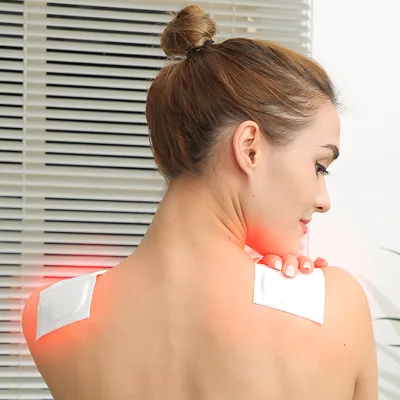


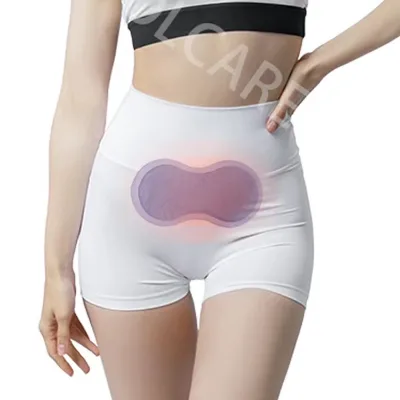


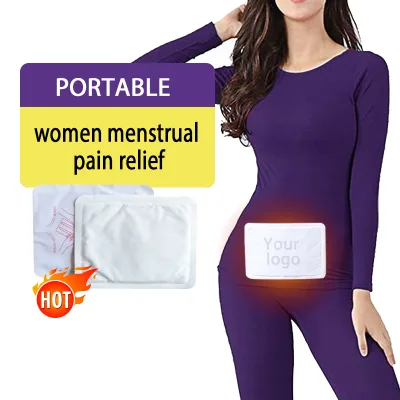
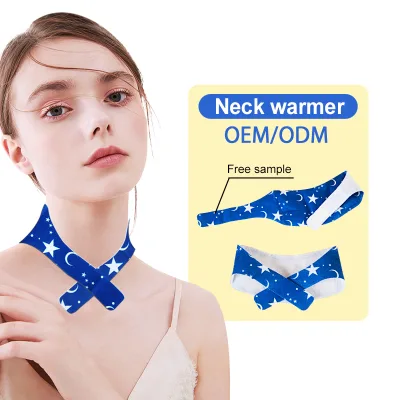
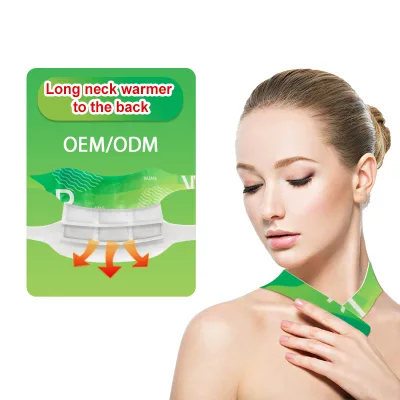
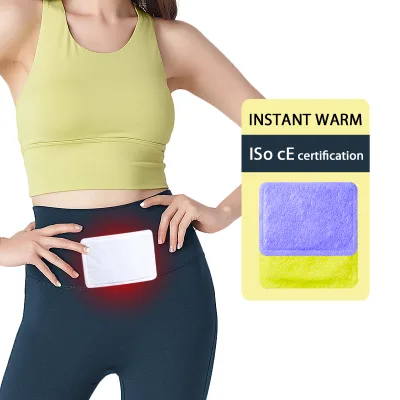
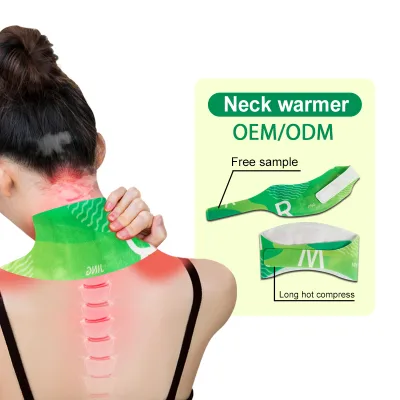
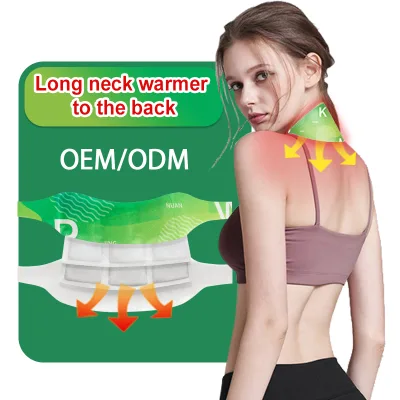


Comprehensive Sourcing Guide
CE Certified Heat Neck Patch Sourcing Guide
Sourcing a CE certified heat neck patch for rehabilitation and pain-relief channels requires balancing regulatory documentation, thermal performance, and commercial flexibility. These air-activated disposable warmers are marketed under properties such as rehabilitation therapy supplies and neck patch classifications, with observed models spanning compact sizes around 14070mm up to extended formats such as 1050155mm for full-back or multi-zone coverage. Because the category sits within Class II instrument classification in at least part of the market, buyers should treat certification evidence as a first-screen criterion rather than an afterthought.
This guide walks through the full procurement cycle: interpreting listing signals, verifying technical specifications, auditing compliance files, negotiating commercial terms, qualifying suppliers, and planning long-term replenishment. Throughout, the emphasis is on documentation you can request and verify, not on marketing claims. Prices observed in listings range widely, from roughly $0.05 to $1.10 per unit, and MOQs vary from single samples to tens of thousands of pieces, which means the commercial deal you secure depends heavily on how precisely you define the product before requesting quotations. Free samples are commonly offered, so validation costs can be kept low.
Product Scope and Observed Listing Signals
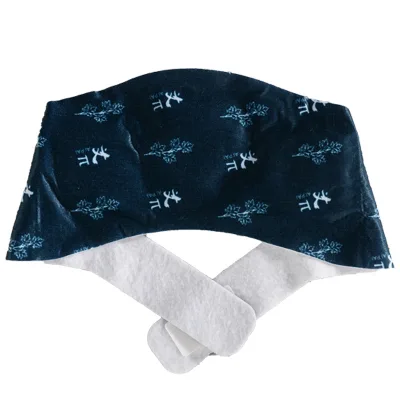
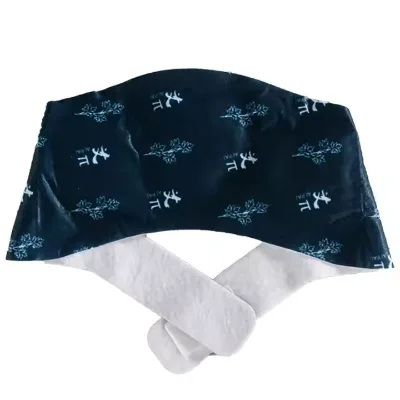
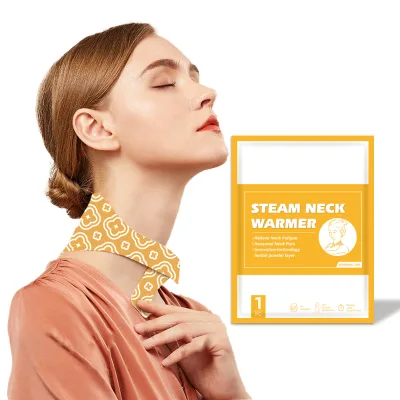
Listings in this category cluster around air-activated, instant-heating, disposable warm patches whose main working ingredients are iron powder, activated carbon, vermiculite, and salt. Use cases described by sellers cover the neck, shoulder, waist, stomach, abdomen, back, and knee, so the same factory platform often serves multiple body-zone SKUs. Product names such as "NECK HEAT PATCH" and properties listed as "NECK PATCH" signal specialization in the cervical application, while "Hot & Cold Packs" type labels indicate adjacent product lines that may share production lines. Buyers should map which body-zone variants a supplier can produce before consolidating orders.
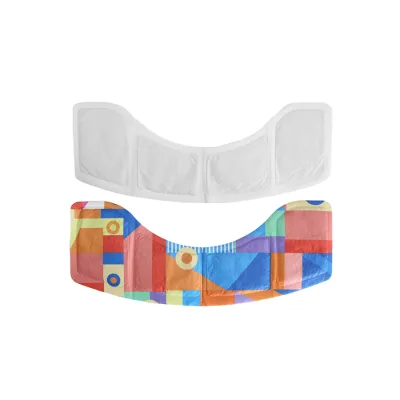
Model identifiers observed include JB0407, JB0602, JB0301, JB0603, YB0201, and BRC03, tied to sizes such as 29095mm, 300155mm, 14070mm, 295110mm, and 1050*155mm. Brand names in the data include Meilan and OEM, confirming that private-label production is standard practice. Irregular shapes are also listed, which matters for contoured neck applications. Origin regions cited are Jiangsu and Zhejiang in China, both established clusters for disposable warming products. Treat each listing attribute as an observation to confirm, since a single supplier's catalog may mix certified and non-certified variants.
Technical Specifications to Verify
The core performance specification is heat duration and temperature. Observed heating times span 8–12 hours, with some listings breaking this into 12h/10h/8h options, and temperature tiers quoted at 39–43℃, 43–48℃, and 50–60℃. These are seller-stated values, so your specification sheet should define the test method, ambient conditions, and acceptance band for both peak temperature and duration. For a neck application, where skin is thinner and closer to the airway, most buyers select the lower temperature tier and require consistent peak-temperature control rather than maximum heat output.
Physical specifications deserve equal attention. Weights observed range from 23±5g and 40±5g up to 90±10g, and weight generally correlates with ingredient load and heat duration, so it is a useful incoming-inspection proxy. Dimensions should be checked against your packaging design; single package size is cited as 11X8.5X0.1 cm for one model, confirming the flat profile typical of the category. Durability claims of 10H and shelf life of 3 years appear in listings, but you should confirm shelf-life claims through accelerated aging data or at minimum through retained-sample testing over your first order cycle.
Compliance and Safety Documentation
Certification claims in the observed listings include CE, MHRA, CFS, and ISO 13485, and one product line is classified as Class II. Do not accept a certificate logo on a listing page as proof. Request the actual CE certificate with its issuing body, scope statement, and validity dates, and confirm the scope actually covers air-activated heat patches rather than a different product family. For European market entry, ask which conformity route applies and whether a Declaration of Conformity is available in your company's name as importer or whether you rely on the manufacturer's declaration.
ISO 13485 certification of the manufacturing site is the strongest signal of systematic quality management in this category, so verify the certificate's scope covers the specific production site, not just the corporate entity. MHRA registration references matter if you plan UK distribution; confirm what the registration actually covers. A CFS (Certificate of Free Sale) supports registrations in third countries. Beyond certificates, request material safety documentation for the iron powder, activated carbon, vermiculite, and salt composition, plus skin-safety rationale for the adhesive layer if the patch is adhesive-backed.
Cost Drivers and Commercial Terms
Observed prices span $0.05 to $1.10, a range wide enough to reflect differences in size, ingredient weight, duration rating, packaging, and order volume rather than simple supplier markup. The heaviest cost levers you control are patch size and weight (a 90±10g large-format patch costs substantially more than a 23±5g neck patch), duration tier, and packaging complexity. One listing states "Final Price According to Client's Package Require," which is typical: custom printed pouches, multi-pack cartons, and retail-ready designs move unit cost up but are usually non-negotiable for pharmacy and retail channels.
MOQs observed run from 1 to 50,000 pieces, which tells you the market accommodates both sampling and mass production but that tiered pricing will apply. Selling units are typically single items with gross weight around 0.040 kg per unit for compact models—use this to estimate freight before quoting. Free samples are explicitly offered in at least one listing; always sample before committing, and budget for DHL or courier costs even when the sample itself is free. Clarify Incoterms, payment terms, and whether packaging tooling fees apply for OEM designs.
Supplier Qualification and Quality Control
Qualification should start with a documentation package: business license, ISO 13485 certificate, CE certificate and Declaration of Conformity, Class II classification evidence where claimed, and CFS if relevant. Then move to a production audit, either on-site or via a third-party inspection firm in Jiangsu or Zhejiang. Key audit points for this category are ingredient dosing accuracy (iron powder and carbon ratios determine heat output), mixing and filling consistency, inner pouch sealing integrity against premature air activation, and outer packaging moisture barriers, since humidity exposure on the shelf destroys product function.
Define an inspection standard before the first purchase order. Suggested AQL sampling covers: dimension and weight within the ±5g or ±10g tolerances stated; activation time when exposed to air; peak temperature within the selected tier (for example 39–43℃ for neck use); duration to the specified endpoint (8, 10, or 12 hours); seal strength; and packaging print accuracy. Require retained samples from each lot and a lot-traceability code on every pouch. For OEM brand orders, also verify artwork proofing and label-language compliance for your destination market before mass production begins.
Long-Term Procurement Checks
Long-term value in this category comes from consistency, not one-off price. Build a supplier scorecard tracking: on-time delivery, lot acceptance rate, temperature and duration test results across production batches, shelf-life performance of aged retained samples, and responsiveness on corrective actions. Because shelf life is stated at 3 years, institute a routine program of pulling market-age stock and verifying that heat output still meets the declared tier near end of shelf life; a product that fails at month 30 creates retail returns and reputational damage out of proportion to its unit cost.
Plan supply resilience as volumes grow. The category's shared production platform—where the same factory makes neck, shoulder, back, and large-format 1050*155mm patches—means you can consolidate volumes across SKUs to improve pricing leverage, but it also means a single supplier disruption affects your whole warming range. Consider dual-sourcing the highest-velocity neck SKU once annual volume justifies it, using identical written specifications so switchovers are trivial. Finally, re-verify certificates annually, monitor regulatory changes for Class II devices in your destination markets, and refresh your specification sheet whenever the supplier adjusts materials or tooling.
FAQs
What ingredients are used in a ce certified heat neck patch?
The patch uses iron powder as the main ingredient, combined with activated carbon, vermiculite, and salt. These components react with air to generate steady warmth after opening the wrapper. This air-activated formulation is disposable and designed for single use on the neck and shoulder area, with options for waist, back, knee, and abdomen applications.
How long does the neck heat patch stay warm after opening?
Warmth duration typically ranges from 8 to 12 hours depending on the model. Listing data shows variants rated at 12h, 10h, and 8h, so confirm the rating for the specific model you order. Heat level options include temperature ranges such as 39-43°C, 43-48°C, and 50-60°C for different comfort needs.
Which certifications should I verify before sourcing these patches?
Look for CE certification as a baseline, since the core keyword requires it. Some listed products also reference MHRA, CFS, and ISO13485, and one is classified as Class II. Always request copies of current certificates from the specific supplier before ordering, because certification coverage can vary between models and manufacturers.
Can I customize the heat neck patch for my own brand?
Yes, customization is available on listed products, and one option shows the brand name as OEM. Packaging is flexible as well, with final pricing determined according to the client's package requirements. Free samples are offered, so you can test heat level, size, and adhesive before committing to a bulk production run.
What sizes and weights are available for these neck heat patches?
Available sizes include 140x70mm, 290x95mm, 300x155mm, 295x110mm, and a long 1050x155mm option. Weights range from about 23g to 90g, with variants like 40g, 45g, and tolerance bands such as 40±5g and 45±5g. Larger sizes suit the back or waist, while smaller ones target the neck and shoulder.
How do I use an air-activated neck patch correctly?
Remove the patch from its sealed wrapper and let it warm in the air, since exposure to oxygen activates the iron powder reaction. Apply it to the neck, shoulder, waist, or other targeted area over clothing or skin as directed. It is instant, disposable, and intended for rehabilitation therapy style use for temporary pain relief.
What is the shelf life of a heat neck patch?
Listed products carry a shelf time of 3 years when stored unopened in their original sealed packaging. Durability figures such as 10H refer to working warmth time, not storage life. Store patches in a dry place away from moisture, because humidity can prematurely trigger the air-activated reaction inside the package.
Can these patches be used on body areas other than the neck?
Yes, listed use covers the neck, shoulder, waist, stomach, abdomen, back, and knee. The patch shape is irregular to fit contoured body areas, and the long 1050x155mm model is suited for larger regions like the back. Choose the size and heat level that matches the body area you intend to treat.